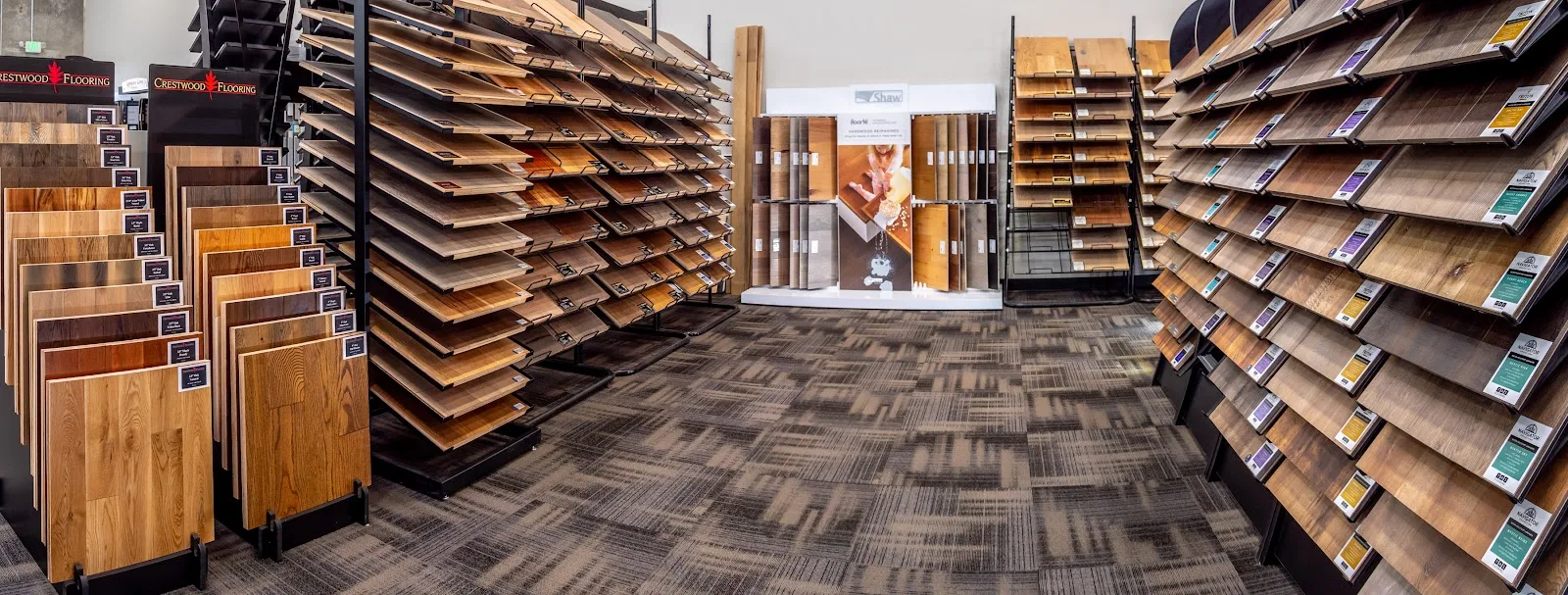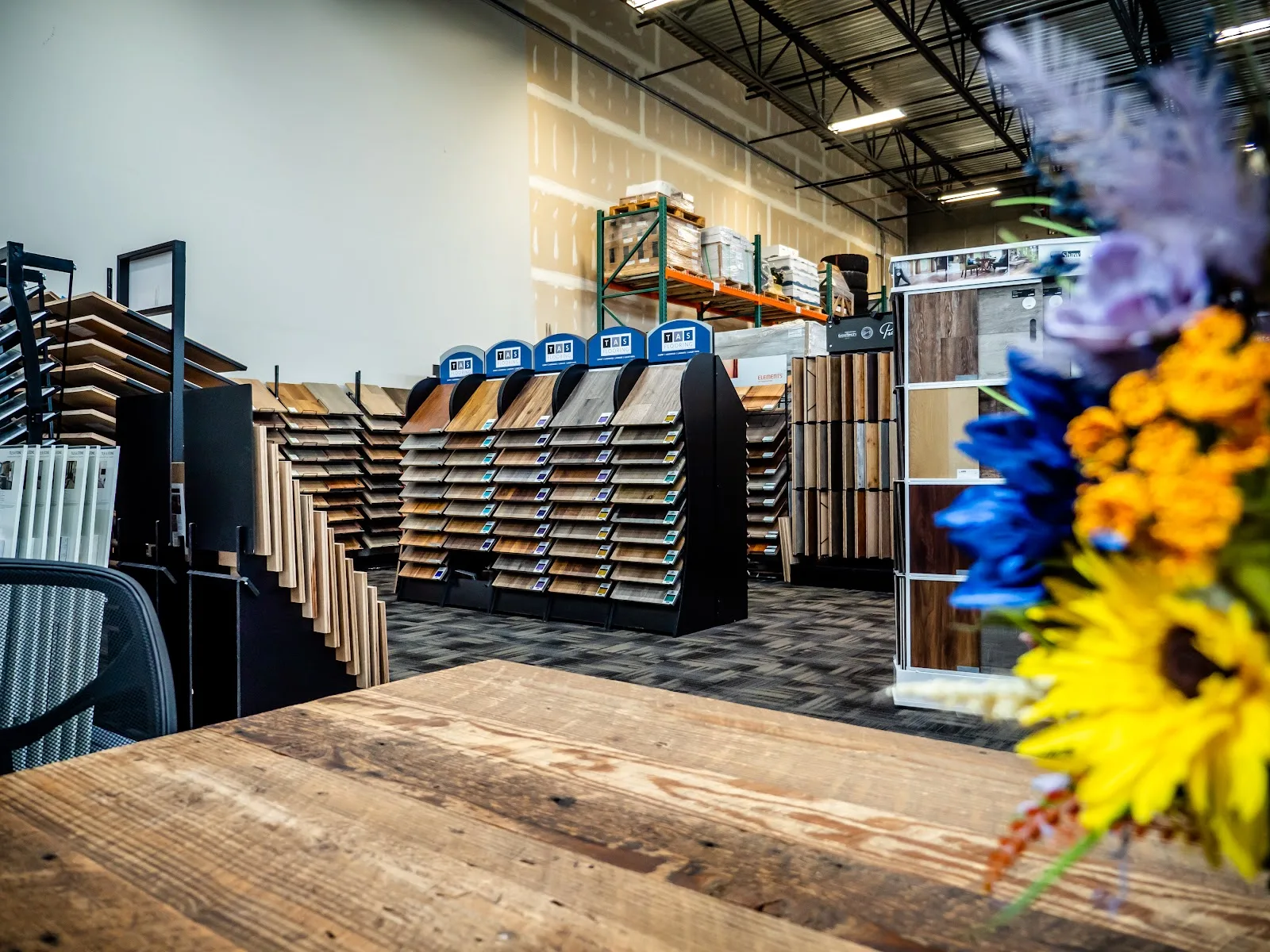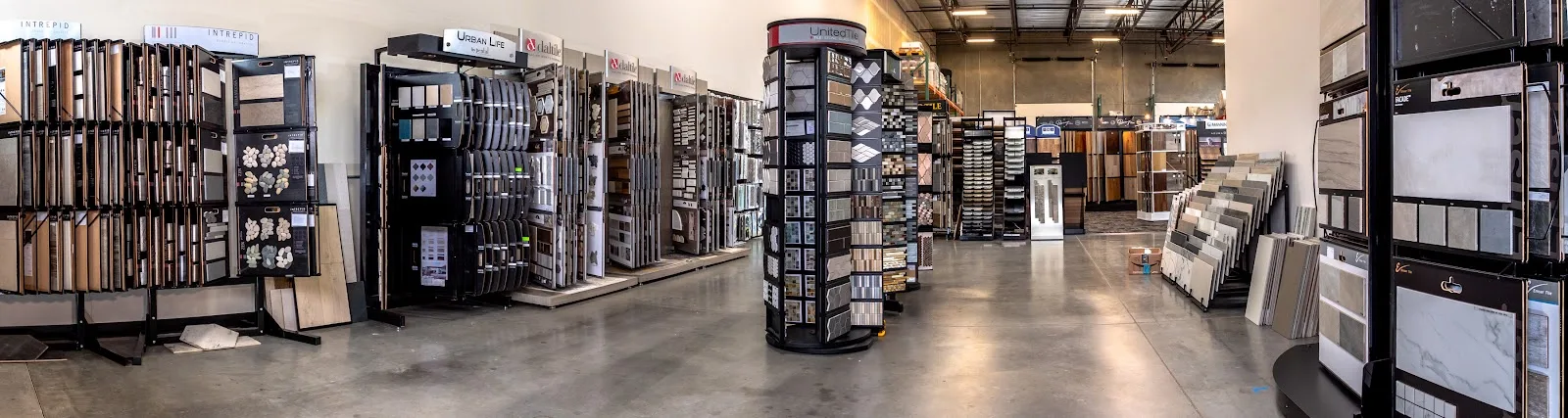
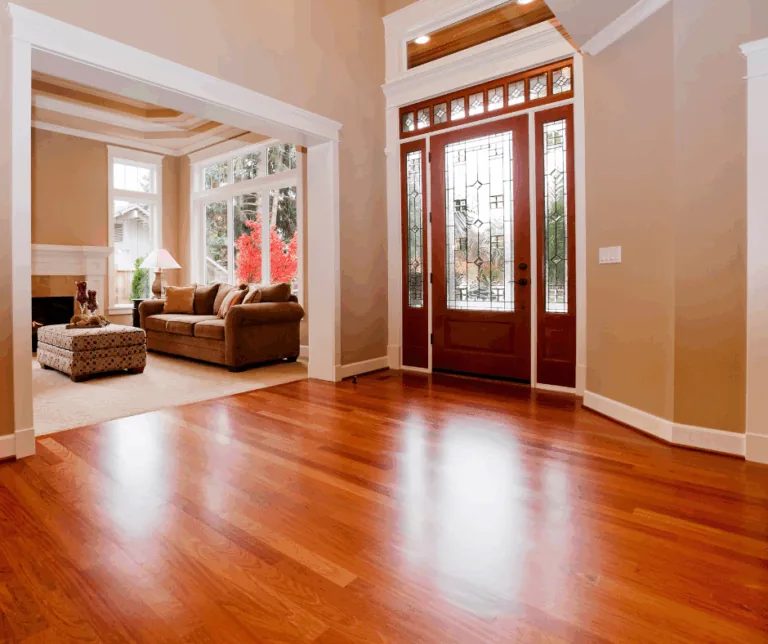
Real wood floors never go out of style, and plenty of homeowners in Salem, Corvallis, and Silverton come to our showroom knowing they want hardwood. The next question is which kind. Solid and engineered hardwood can look nearly identical once installed, but they're built differently - and that difference matters in a valley that swings from months of rain to dry summer heat.
How They're Built
Solid hardwood is milled from a single piece of wood. Engineered hardwood bonds a real hardwood wear layer to a core made of cross-layered plywood or similar materials. Because those layers run in different directions, the core resists the swelling and shrinking that wood naturally goes through as indoor humidity changes.
Engineered hardwood's wear layer varies in thickness from product to product. That top layer is the real wood you walk on, so it's worth asking about when you compare options. Plank widths, species, and finishes are available in both solid and engineered versions, so the choice between them usually comes down to where the floor is going rather than how it looks.
Why Our Climate Matters
The Willamette Valley is damp for much of the year and surprisingly dry in late summer. Wood floors react to those changes: they tend to expand a bit in humid months and shrink in dry ones, which can show up as small seasonal gaps. Solid hardwood does well in climate-controlled, above-grade rooms where conditions stay fairly steady. Engineered hardwood is more forgiving where moisture or temperature varies, such as over a crawl space or on a concrete slab.
Small seasonal gaps in a wood floor are usually normal and tend to close as humidity returns. Keeping indoor conditions fairly steady - for example, running a humidifier during the driest stretch of late summer and a dehumidifier or good ventilation in damp spaces - can reduce how much any wood floor moves.
Where Each One Fits
- Living rooms, dining rooms, and bedrooms on main or upper floors: either works well.
- Daylight basements and slab-on-grade rooms: engineered hardwood is the safer choice.
- Kitchens: either, with mats near the sink and prompt cleanup of spills.
- Full bathrooms and laundry rooms: we usually recommend tile or luxury vinyl plank instead.
Want to see solid and engineered hardwood side by side?
Book a free in-home estimateInstallation and Acclimation
Both types need to acclimate in the home before installation, and both depend on a flat, dry, sound subfloor. During our in-home measure, we check moisture and subfloor condition before recommending a product. If stairs are part of the project, our hardwood stairs work can match treads to the new floor. Our crew handles every job ourselves - no subcontractors. Browse hardwood flooring options, then request a free estimate in Corvallis, Salem, or anywhere in the Mid-Willamette Valley.